


From uncertainty to confidence, one design at a time
This website chronicles my transformation throughout the graphic design minor — exploring what it means to think, see, and create like a designer.
Every element of this journey is visual, personal, and honest. The website itself reflects my design identity — from typography to colors, layout, and structure.
What started as uncertainty has gradually evolved into confidence. I've learned how to draw inspiration from the world around me, how to translate ideas into visuals.
I've discovered what kind of designer I want to be — one who values clarity, intuition, and thoughtful aesthetics.

In the beginning of this minor, getting started was one of my biggest challenges. I used to think that great ideas would come with enough theoretical knowledge — that there'd always be a ‘right’ solution. But I've come to realize something far more practical: you just have to start. Once I begin sketching or typing or designing, ideas follow.
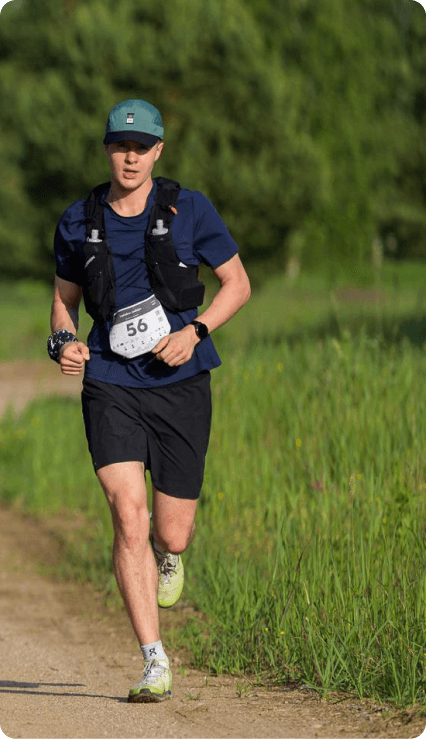
When I'm stuck, I often go for a run. While it doesn't always generate a solution, it helps clear my head and reset my thought process — and occasionally, the best ideas appear while I'm moving.
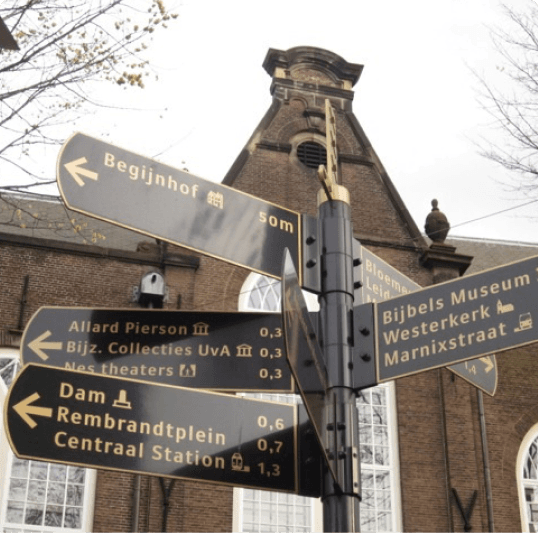
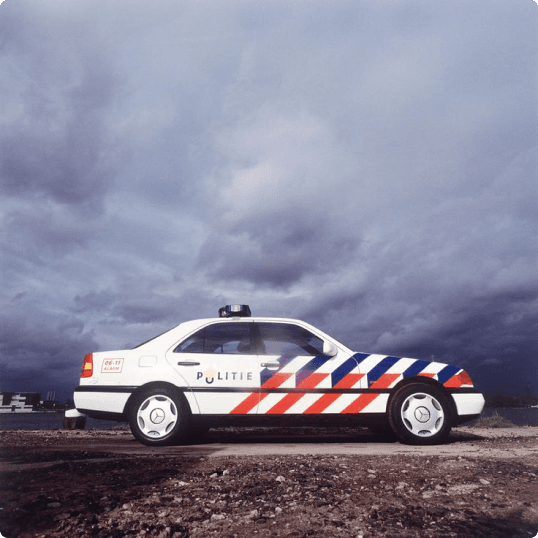
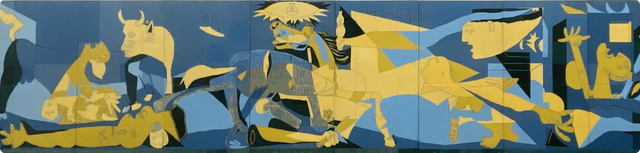
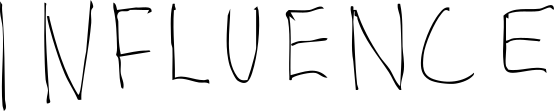
My inspiration comes from everything around me. Since starting this minor, I've become more visually aware — logos on shops, street signs, even license plates now feel like part of a design conversation. Music, books, nature — I catch myself visualising their energy in colours and compositions: vibrant and bold, or soft and minimal. Design is truly everywhere.
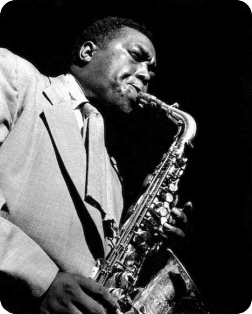
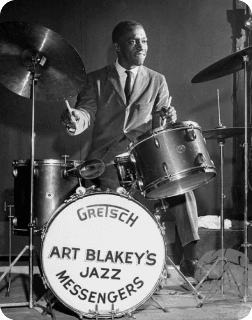
I'm generally a very active person, and I find it challenging to sit still and focus for long periods.
However, I've noticed that listening to jazz helps me concentrate and actually enjoy the process.
“I came into this minor hoping to ‘learn color theory and typography.’ What I found instead was that true understanding isn't about memorising rules — it's about experimenting.”
Classes & Learning
Workshops & Exercises
From workshops like the “Poster with Two Typefaces” to classes on color psychology, I learned to let go of perfectionism. These exercises gave me space to play, to improvise, and to realize that making something imperfect is still moving forward.
Adobe Advanced Classes
I gained practical experience in Adobe tools during the Advanced Classes. Following the instructors step-by-step allowed me to not only understand the tools but apply them with intent. I created vector-based logos, experimented with layer masks in Photoshop, and even learned how to build layout templates — skills I now use in my own freelance projects.
Analogue Classes
Despite my initial discomfort with drawing, the analogue class helped me embrace the value of tactile experimentation. It showed me that even outside of the digital world, design is about attitude, not skill level. This website reflects that realisation: I've always felt a bit insecure about my handwriting and signature, but here, I chose to embrace them—using my signature as the logo and my handwriting for the headings.
Inspiring Designers
Studio Dumbar
Netherlands • Brand Identity & Visual Systems
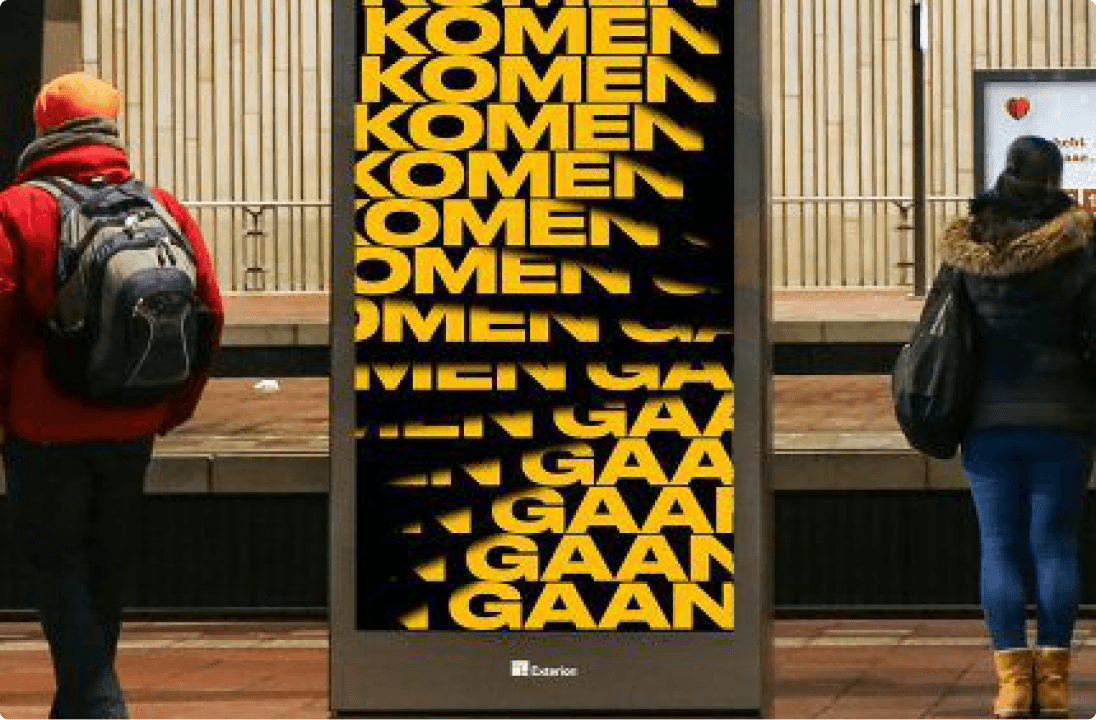
Their impact on Dutch visual culture is everywhere — from emergency vehicles to advertising panels. Their bold identity and unmistakable aesthetic inspired me to think about how design influences public space and creates lasting cultural impact.
Stefan Sagmeister
Austria • Experimental Typography & Art Direction
His fearless approach to typography and willingness to push boundaries resonates with my own journey of embracing imperfection. His work shows that design can be both deeply personal and universally compelling, blending art with commercial purpose.
Bureau Borsche
Germany • Contemporary Visual Identity
Their clean, systematic approach to visual identity design demonstrates how contemporary European design can be both minimal and impactful. Their work with cultural institutions and fashion brands shows the versatility of thoughtful design systems.
These influences — both from structured learning and inspiring practitioners — have shaped my understanding that design is not just about aesthetics, but about creating meaningful connections between ideas, people, and experiences.
“I believe that good design should feel intuitive and immediately recognisable — but that doesn't mean it must sacrifice beauty. My goal is always to strike a balance between clarity and aesthetics.”
Personal Branding Philosophy
My journey began with an interest in UI/UX — crafting interfaces that are easy to use but still visually engaging. This duality defines my work and personal brand. My personal branding reflects this balance. I created a simple logo based on my signature, to symbolize clarity and authenticity. I chose a palette of warm beige and terracotta: the beige creates a calm, neutral foundation that feels approachable, while the terracotta adds warmth and earthiness — both grounding and inviting.
Colors
Background
Calm & Neutral
Foreground
Clean & Readable
Accent
Warm & Balanced
From a color psychology perspective, warm beige tones evoke calm and reliability; terracotta adds warmth and earthiness — creating a palette that feels both professional and approachable.
Visual Identity
Primary Logo
Typography System

Main Title
Section Heading
Subsection
“Hero Quote”
Body text paragraph
Caption text
Aa Bb Cc Dd Ee Ff Gg Hh Ii Jj Kk Ll Mm
Nn Oo Pp Qq Rr Ss Tt Uu Vv Ww Xx Yy Zz
0 1 2 3 4 5 6 7 8 9
Gilroy Font Family
I chose Gilroy as my primary typeface for its geometric simplicity and legibility. It supports my clean, structured aesthetic while maintaining excellent readability across all sizes.
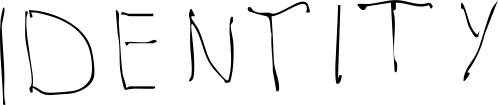
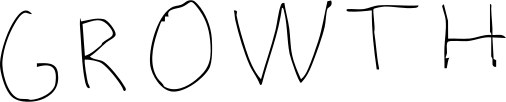
Personal Touch: The section headings you see in the images are handwritten by me, embracing the authenticity of imperfection. This personal element adds character while maintaining the clean Gilroy system for body text.
“Creativity isn't a fixed trait — it's a process. I gave myself permission to try, to fail, to experiment.”
The Transformation
Before
At the start of this minor, I didn't feel like a designer. I was uncertain, even uncomfortable calling myself one. Visual creativity was something I admired in others — not something I felt confident in.
After
But I was determined to change that. As the weeks passed, I realized that creativity isn't a fixed trait — it's a process. The more I experimented, the more confident I became.
Key Realizations
Permission to Experiment
I gave myself permission to try, to fail, to experiment. Each attempt built confidence.
Collaborative Growth
Working with my group on client assignments and visual identity showed me that design is collaborative.
Curiosity Over Perfection
Being a designer isn't about being perfect — it's about being curious and responsive.
Personal Challenges & Growth
The Challenge
Balancing this minor with my demanding personal schedule presented significant challenges that required careful time management and priority setting:
- • Daily commuting to university
- • Managing freelancing projects
- • Keeping up with major classes
- • Part-time work commitments
- • Training for an ultramarathon
The Learning
Despite these challenges, I remained committed to showing up and engaging authentically in class. This experience taught me that presence and intention matter as much as output.
“Sometimes the most important growth happens not in what you create, but in how you show up.”
Interim Conversation & Reflection
Conversation Summary
During my interim conversation with Vienna, we discussed my role and contribution to the group work dynamics. She provided valuable feedback about my collaborative skills and team integration.
Positive Feedback
- • Strong performance in group work
- • Excellent team connection and collaboration
- • Recognition of ambitious nature
- • Encouragement to maintain high standards
Areas for Growth
- • Balancing multiple commitments
- • Prioritizing university studies
- • Managing time more effectively
- • Increasing classroom presence
Key Takeaways
The conversation reinforced that while I excel in collaborative settings, finding balance remains an ongoing challenge. Vienna's feedback highlighted both my strengths and areas where I can continue to grow.
“The goal isn't to be perfect at everything, but to be intentional about where you invest your energy.”
Technical Skills & Learning Outcomes
Workshop Applications
Typography Workshop
“Poster with Two Typefaces” challenged me to understand font pairing and hierarchy. I learned that effective typography isn't about using the most fonts, but about creating clear visual relationships.
Applied in: Personal branding, website typography systemColor Psychology
Understanding how colors evoke emotions transformed my approach to palette selection. Green for calm, terracotta for warmth — these aren't just aesthetic choices but strategic decisions.
Applied in: Personal color palette, client project decisionsTechnical Mastery
Adobe Advanced Classes
Gained proficiency in vector-based logo creation, advanced layer masking in Photoshop, and layout template development. These skills directly enhanced my freelance capabilities.
Outcome: Improved client deliverables, faster workflowAnalogue Experimentation
Despite initial discomfort with hand-drawing, I learned that tactile experimentation builds creative confidence. This experience influenced my decision to embrace handwritten elements in my digital work.
Outcome: Authentic personal branding, reduced perfectionism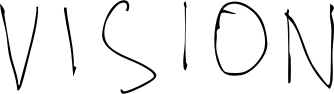
“I see myself as a designer-developer hybrid — someone who can take a product from concept to code.”
The Vision
What excites me is the ability to build something entirely on my own: from brand identity and UX to fully functioning software. This minor gave me the confidence to believe that this hybrid identity is not only possible — it's powerful.
Immediate Goals
Skill Development
My immediate goal is to sharpen my skills in both design and development.
Design
Development
Build Portfolio
I plan to build several tools and digital products — each one fully designed and coded by me.
Long-term Vision
Career Paths
Long-term, I hope to either build a product of my own or join a startup where I can have impact across multiple disciplines.
Hybrid Identity
This minor gave me the confidence to believe that this hybrid identity is not only possible — it's powerful.
Ready to Build
The journey from uncertain beginner to confident designer-developer has just begun. Every project is an opportunity to bridge the gap between beautiful design and functional code.